
The Curiosity Gap: Why Withholding Is the Highest Form of Visual Storytelling
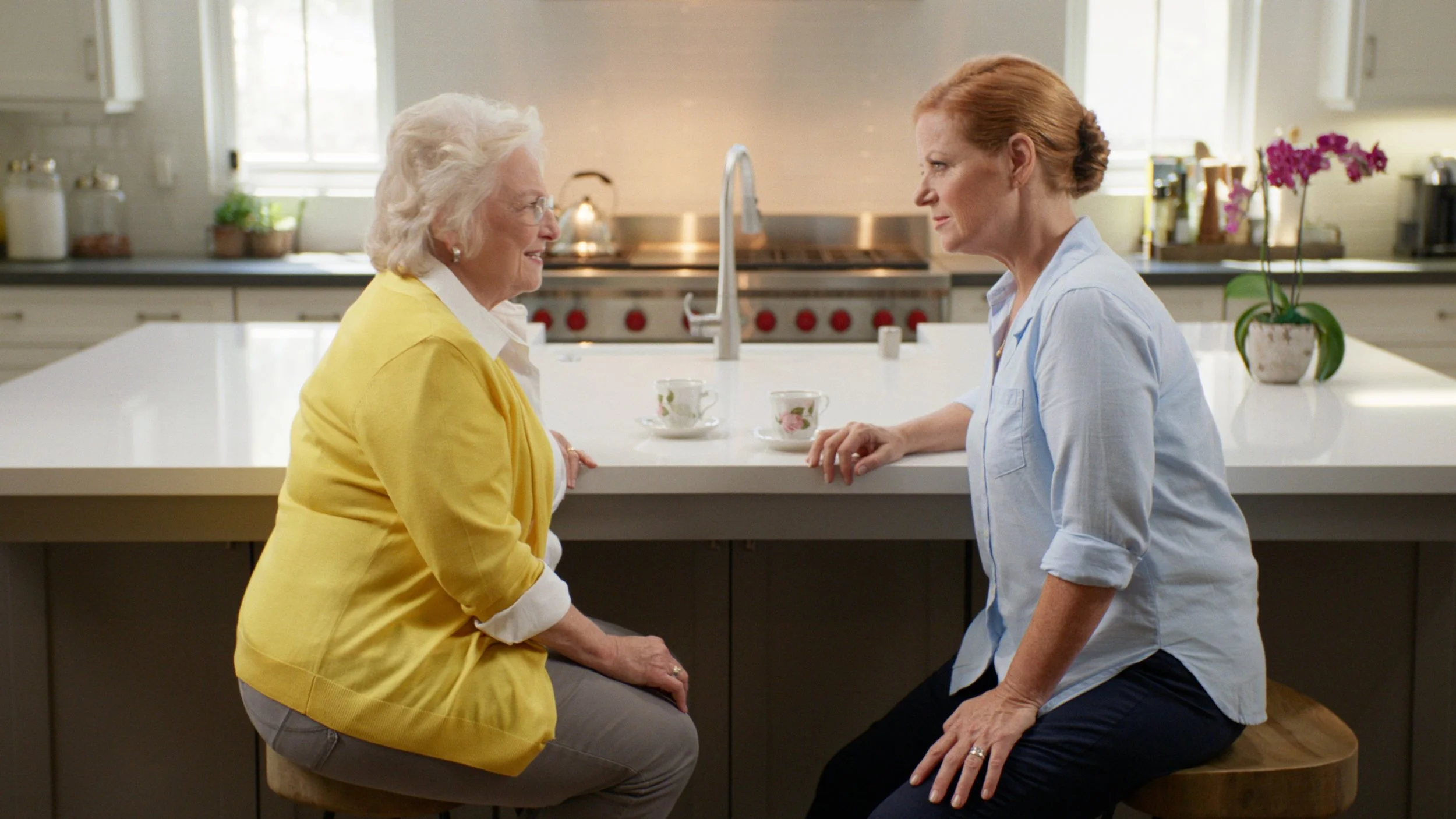
There is a concept in storytelling called the curiosity gap. It's the space between what an audience knows and what they desperately want to know. It's why you stay up too late finishing a series. It's why a great trailer makes you feel like you've already bought the ticket. Our brains are not wired to tolerate unresolved situations, and a skilled storyteller knows how to exploit that in the best possible way.
In video, the gap is your greatest asset.
Every cut, every withheld reveal, every question raised but not yet answered is pulling your viewer forward. You are creating a kind of contract with them: stay with me, and I will give you something worth the wait. The tension is the engine. The payoff is the promise.
But here is where a lot of content goes wrong. The gap gets used as bait rather than a bridge. Audiences are smart. They feel the difference between being led somewhere meaningful and being strung along for nothing. When you finally pay off the tension with something hollow, you don't just lose the moment, you lose the trust. And in advertising, trust is the entire game.
The rule is simple: always reward the viewer. Make good on your promise as a storyteller. Don't bait, but lead.
Photography operates on completely different logic.
A still image has no next frame. There is no music building underneath it, no script carrying the emotional arc forward, no editor waiting to cut to the release. The photograph has to hold its own in a single instant.
This means everything in the frame has to add context rather than withhold it. Composition, light, expression, depth, color, and negative space all work together to create a complete story in one breath. Where video rewards patience, photography rewards attention. A great image is one you can keep looking at and keep discovering.
Research supports this intuition. Studies on what's sometimes called "picture superiority" have shown that images are processed significantly faster than text and are more likely to be retained in memory, but only when the image communicates something complete. A visually interesting but confusing photograph doesn't get remembered, it gets scrolled past.
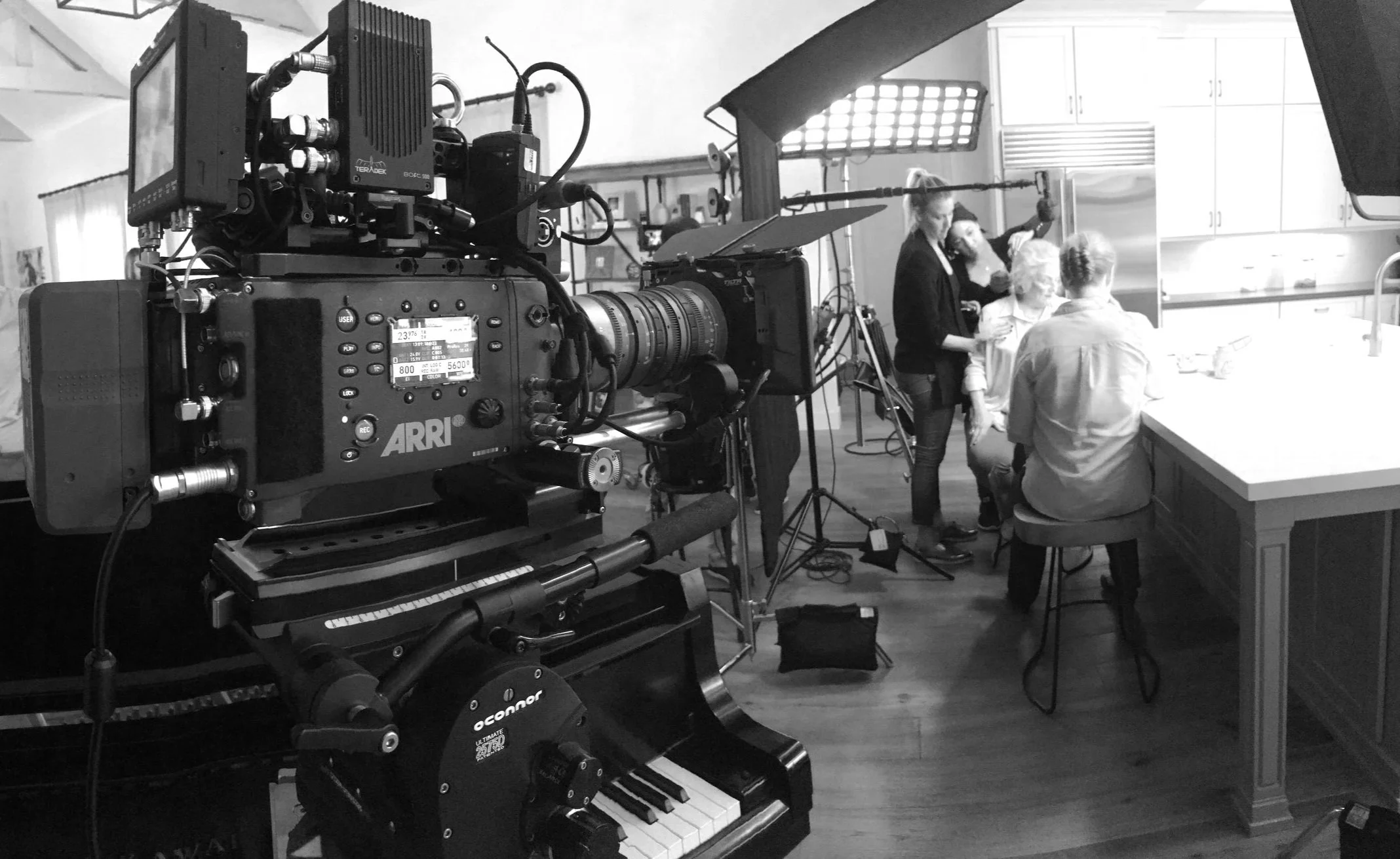
The advertising wrinkle.
In a pure editorial context, a photograph can say everything. But in advertising, a great image also has to leave room. Room for the headline, the brand mark, the product, the call to action. The image and the messaging are partners, not competitors. An image that demands all the attention leaves no space for the brand to breathe. The best advertising photography creates a visual mood and a story that the copy completes, not one that it interrupts.
This is one of the more nuanced disciplines in commercial photography: knowing exactly how much to say with the image, and exactly how much to save for the brand.
Two mediums, two visual languages.
Neither is harder. Both are demanding in completely different ways. Video asks you to think in time, in arcs, in the architecture of revelation. Photography asks you to think in density, in the weight of a single frame, in everything that can coexist in one instant without fighting for dominance.
Understanding the difference, really understanding it, is what separates content from storytelling.
At Reve Studios, we work in both because the best campaigns require both. And the best results come when the two visual languages are designed to complement each other from day one.
Explore our work at revestudiosinc.com